
Helpful Things to Keep in Mind …
See Our Products Featured by FMCA
Earn RVDA/RVIA Certified Technician Training Credit Hours
Contact us to learn how your safety technicians can earn training hours and a certificate from Safe-T-Alert.
Never Install a Residential CO Alarm in an RV
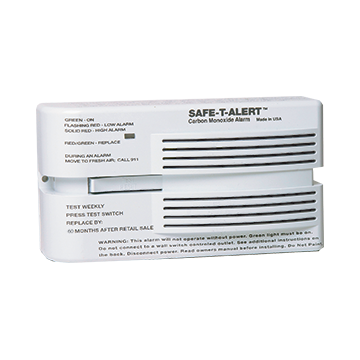
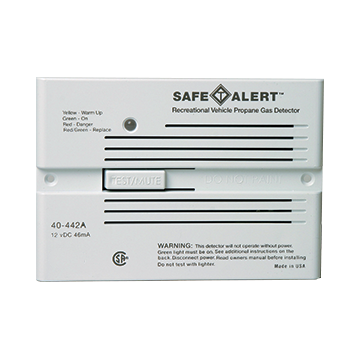
During inspection check to see if the alarm is approved for RV use. Safety alarms approved for RV use are more stringently tested than residential alarms due to the extreme environments RVs are used. Alarms approved for RV use are marked with “Recreational Vehicle Carbon Monoxide Alarm”, or “Unconditioned Area CO Alarm” or equivalent. NEVER INSTALL A HOME ALARM IN A RV. Only install alarms marked for RV use … See the differnce
How High to Install CO Alarms?
Where should Carbon Monoxide Alarms be installed? How high on a wall / ceiling? Find out here
Brick and Mortar Materials
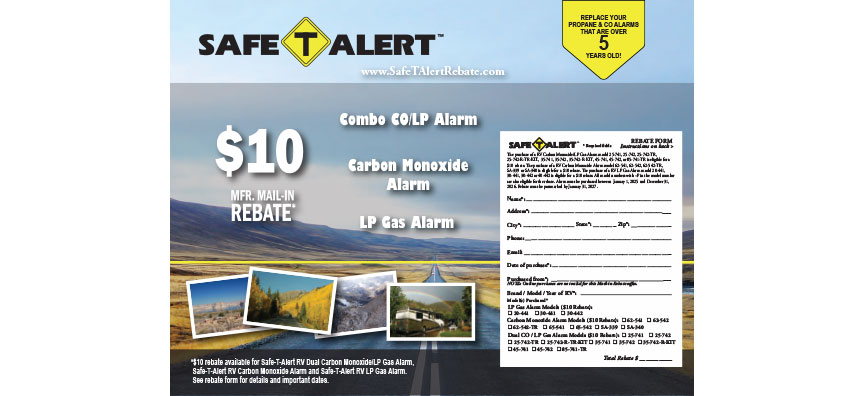
click to view/download
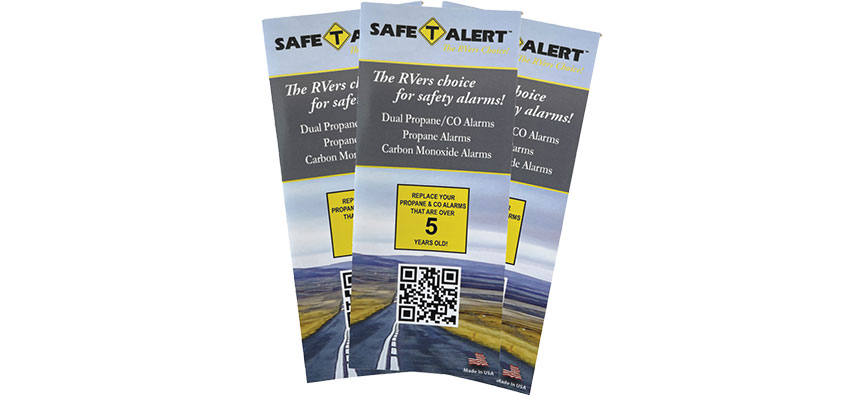
click to view/download
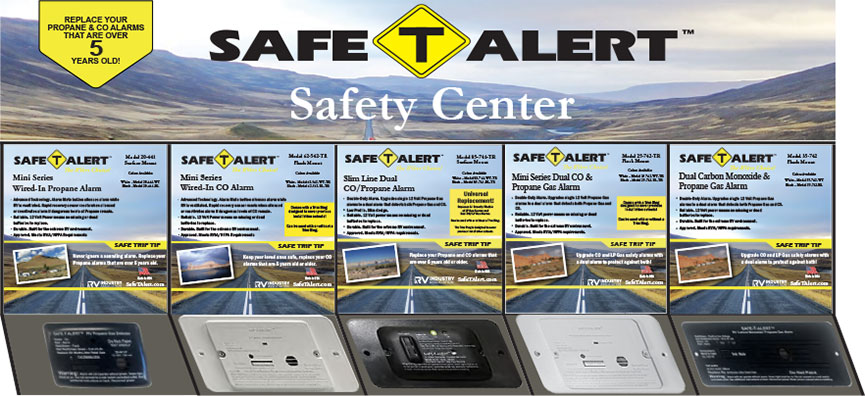
click to view/download
Presentations
Articles
Posters
Sales Drivers
Cross Reference Replacement Brands
Photos





















RV Technician Safety Alarm Training
The following PowerPoint Education Tests are designed to improve RV technicians’ knowledge of the history and performance of safety alarms installed in RVs.
Use these tests to strengthen your understanding of when replacement alarms are recommended in order to increase sales and better serve your customers.
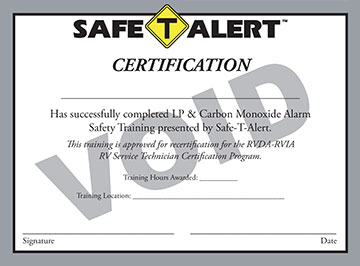
Earn RVDA/RVIA certified technician training credit hours.
Contact us for information on how your safety technicians can earn training credit hours.